운영 시간휴관
|목요일, 10월 8, 2026Piazza del Duomo, 56126 Pisa, Italy
돌아가기: what to see
history
Leaning Tower of Pisa History and Facts
Explore the rich history of the Leaning Tower of Pisa, including its construction, tilt, restoration efforts, and cultural significance.
1/15/2025
8 min read
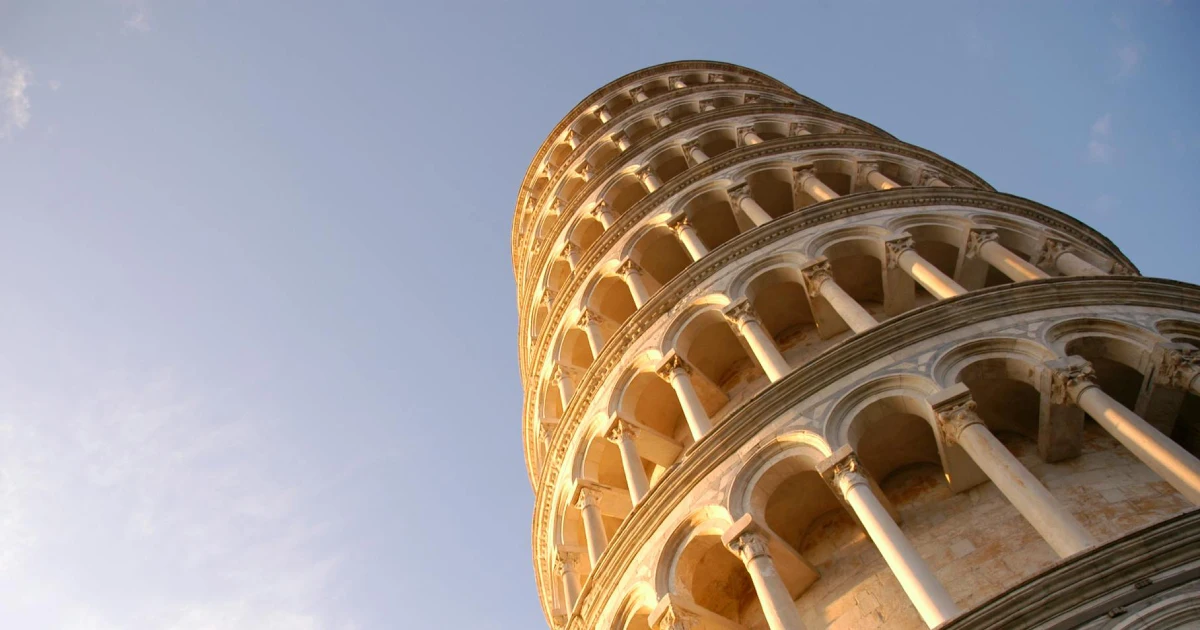
History of the Leaning Tower of Pisa
The Leaning Tower of Pisa is one of the most recognizable landmarks in the world. Its iconic tilt has fascinated visitors and architects for centuries.
Construction and Early History
- Start Date: 1173
- Completion: 1372
- Architects: Multiple, including Bonanno Pisano
- Materials: White marble from nearby quarries
- Original Purpose: Bell tower for Pisa Cathedral
Tilt and Engineering Challenges
- Initial Tilt: Began during construction due to soft foundation soil
- Attempts to Correct: Multiple interventions over centuries
- Modern Stabilization: Late 20th and early 21st-century engineering projects reduced tilt and ensured safety
Cultural Significance
- Tourism Icon: Symbol of Italian architectural ingenuity
- Scientific Experiments: Galileo Galilei reportedly conducted gravity experiments here
- UNESCO World Heritage: Part of the Piazza dei Miracoli ensemble
Visiting Tips
- Climbing the Tower: Tickets required for the staircase to the top
- Best Views: Sunrise or late afternoon for fewer crowds
- Photography: Capture both the tower and surrounding cathedral complex
- Accessibility: Limited wheelchair access; check in advance
The Leaning Tower of Pisa remains a marvel of medieval engineering and a must-see for any visitor to Tuscany.
저자 소개

Dr. Luca Bianchi, Historian
역사와 여행에 열정을 가진 저는 이 사이트를 만들어 피사의 사탑 방문을 최대한 즐길 수 있도록 도움을 드립니다. 세계 각지의 명소를 탐험한 경험을 바탕으로 실용적인 팁과 인사이트를 공유합니다.
Tags
Tower of Pisa
History
Architecture
Pisa
Leaning Tower
Comments (0)
Leave a Comment
Loading comments...