Galileo Experiments at the Leaning Tower of Pisa - History & Science
Learn about Galileo Galilei’s famous experiments at the Leaning Tower of Pisa and how they shaped our understanding of physics.
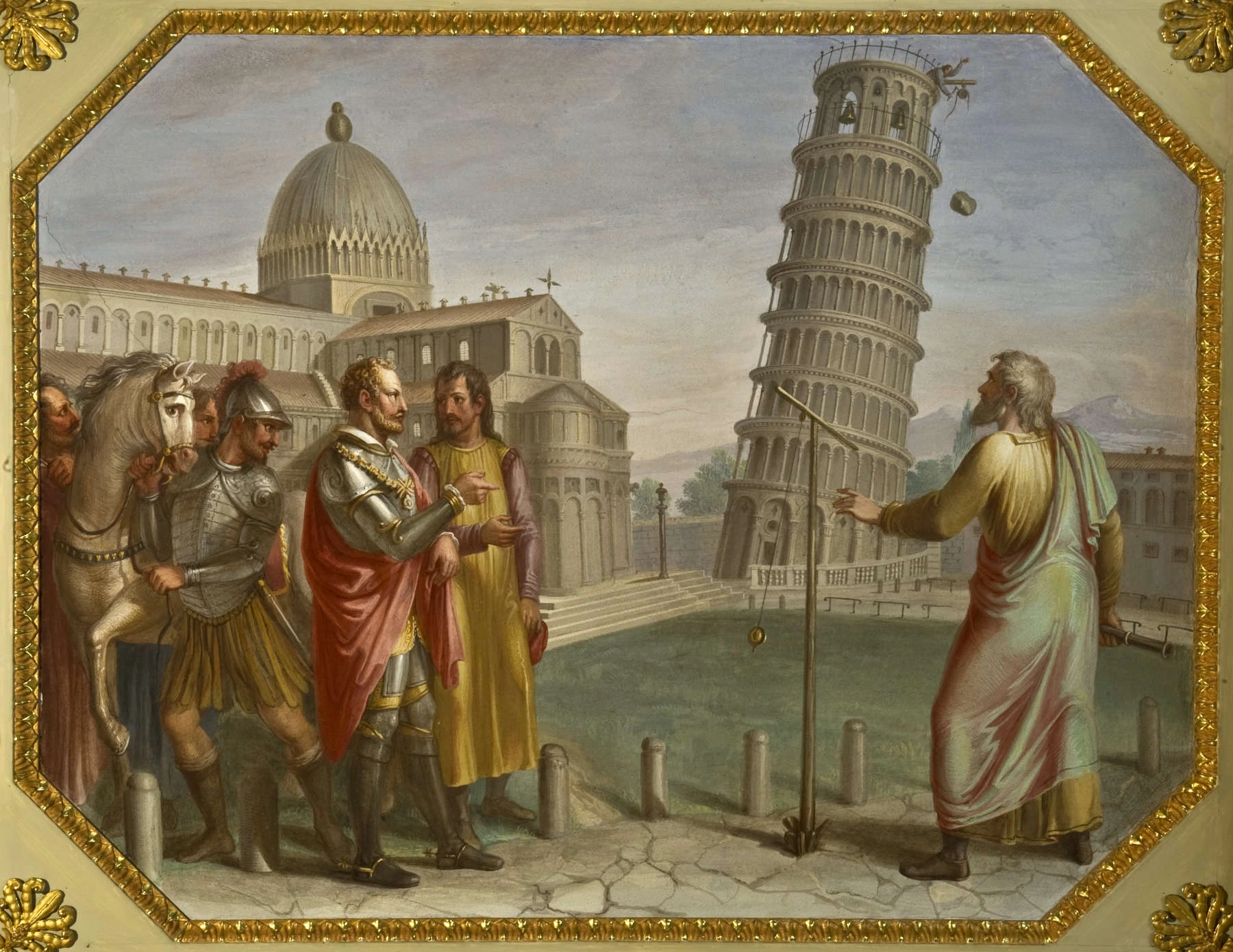
Galileo's Experiments at the Leaning Tower of Pisa
One crisp morning in Pisa, a young professor named Galileo Galilei climbed the winding stairs of the city’s most famous tower. The square below was bustling with merchants and students; curious onlookers craned their necks as Galileo reached the edge of the platform, two heavy bronze balls in his hands.
According to tradition, he leaned out over the balustrade and let them fall. As they sped through the air side by side, the crowd gasped — the spheres struck the ground almost together, defying Aristotle’s age-old rule that heavier objects fall faster. In that instant, Pisa’s leaning bell tower became an open-air laboratory, and Galileo’s bold test a symbol of the scientific revolution to come.
Whether the experiment happened exactly this way or not, the story captures a turning point: the move from inherited wisdom to observation and testing. Visitors today can stand where Galileo is said to have stood, look down at the same square, and imagine the scene — the hush before the drop, the thud of the landing, the spark of new ideas taking root.
Visiting Today
- Interpretive panels around the Piazza dei Miracoli describe Galileo’s link to the tower.
- Guided tours often recount the tale and point out the exact spots where the experiment is believed to have taken place.
- Nearby museums in Pisa showcase Galileo’s writings and instruments, deepening the story for curious travellers.
Climbing the Leaning Tower of Pisa is not only a breathtaking view of medieval architecture; it’s also a chance to step into one of science’s most enduring legends.
关于作者

Heritage & Education Team
热爱历史与旅行,我创建此网站帮助游客充分体验比萨斜塔。凭借多年探索世界地标的经验,我分享实用建议和见解,让您的旅程更丰富。
Tags
Comments (0)
Loading comments...